
Norman Service Area

Commercial Cleaning Scheduled for Norman Workdays

For Norman workplaces where meetings, shared desks, and administrative work continue through the day, commercial cleaning from Oklahoma City can be arranged around access, occupied hours, and recurring needs.

✓Occupied-Hour Planning
✓Daily Weekly Periodic Care
✓Shared Suite Cleaning
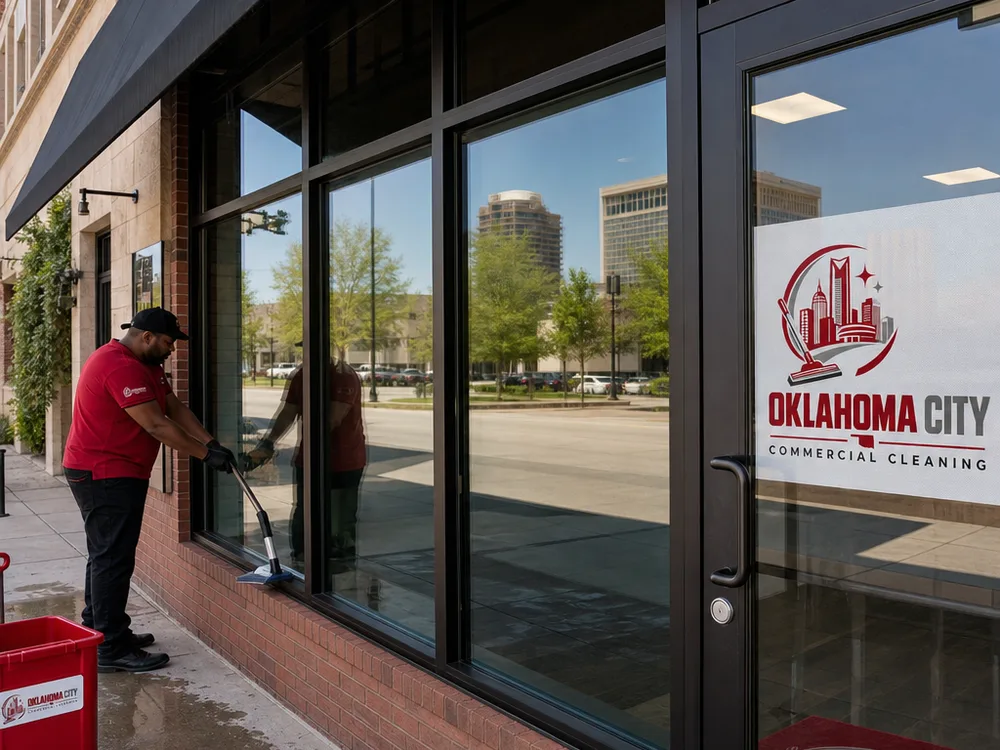
Technician cleaning large commercial storefront glass with a squeegee and detailing cloth outside an Oklahoma City facility

Working Hours

Cleaning That Fits an Occupied Workday

When conference rooms turn over, staff share suites, and meetings run long, a cleaning plan has to respect the hours when rooms are actively in use.

The right schedule identifies what can happen during the day, what belongs after hours, and when access needs to be coordinated with the person responsible.

Service Rhythm

Match Daily Weekly and Periodic Cleaning Needs

Daily tasks, weekly care, periodic work, flexible touchpoints, and after-hours access each play a different role in a schedule. The service rhythm should reflect the pace of the workplace, not a preset calendar.

Daily Touchpoint Work

Daily tasks can focus on restrooms, waste, break areas, and other touchpoints that change quickly with staff activity. This level of service suits buildings where a day without attention creates avoidable disruption for the next morning.
Weekly Shared-Space Care

Weekly service can cover shared suites, meeting rooms, common floors, and surfaces that need regular but not daily work. The sequence can be planned around the times those spaces are least likely to be occupied.

Periodic Floor Attention

Periodic tasks support the work that is not needed on every visit, such as deeper floor care, detailed dusting, or interior glass. Listing this work separately keeps it from being confused with the recurring schedule.

Flexible Meeting Support

Flexible touchpoints help when meeting calendars affect when a conference room or shared area can be cleaned. The plan can clarify notice expectations, access procedures, and which tasks can move to another service window.

After-Hours Access Planning

After-hours work often gives cleaning teams better access to busy administrative spaces and meeting rooms. Access instructions, alarm procedures, and the order of service should be confirmed before the schedule begins.

Practical Timing

Access Is Part of the Cleaning Plan

A schedule only works when staff know when service is expected and the cleaning team can enter the needed rooms. Keys, codes, escort requirements, and restricted times should be addressed before the first visit.

For shared suites, one tenant's schedule can affect another tenant's space. Clear access instructions reduce last-minute changes and make it easier to keep common areas on a predictable routine.

Cleaned commercial storefront with reflective streak-free windows and crisp sightlines into the interior

Schedule Design

Agree on a Schedule Then Adjust It

Cleaning frequency is useful only when it holds up against actual room use and access patterns. The service plan begins with a calendar, then leaves room to revise timing when the working day changes.

01

Map Occupied Hours

The discussion begins with the hours when meetings, staff activity, and visitors make cleaning difficult. That map helps separate daytime tasks from work that needs an empty room.

02

Confirm Access Rules

Access requirements are recorded for suites, meeting rooms, restrooms, and shared areas. Keys, codes, contacts, and any escort process are addressed before the first service date.

03

Set the Service Rhythm

Daily, weekly, and periodic tasks are assigned to realistic service windows. The written schedule shows what happens regularly and what is planned less often.

04

Handle Calendar Changes

A contact method for schedule changes helps when meetings, events, or closures affect normal access. The plan can state how much notice is useful and which work can be shifted.

05

Revisit Timing After Start

Early service visits show whether the chosen timing matches the building's actual use. Adjustments can be made based on access issues, room turnover, and the tasks that need more attention.

Frequency and Cost

How Much Does Norman Janitorial Service Cost?

Frequency is often the main cost lever for a Norman workplace because daily touchpoints, weekly shared-space care, and periodic floor work use different amounts of labor. Recurring janitorial service is commonly about $0.08 to $0.20 per square foot per month, while smaller offices often run $300 to $900+ per month. Larger offices, medical suites, and higher-frequency plans often fall around $1,200 to $4,000+ per month. After a walkthrough confirms access and timing, the facility receives a written quote.

Scheduling Questions

Questions About Timing Access and After-Hours Work

Timing is usually the issue people underestimate when they compare cleaning plans for active workplaces. These answers cover access, occupied rooms, schedule changes, and what after-hours service requires.

Can Cleaning Happen While Staff Are Working?+

Some tasks can fit around occupied hours when the area and activity allow it, while other work is better scheduled after staff leave. The walkthrough helps separate tasks by room use, noise, access, and the need to avoid interrupting meetings.

How Are Meeting Rooms Scheduled for Cleaning?+

Meeting-room care is planned around the calendar patterns and access rules identified by the facility. The schedule can state whether cleaning follows the workday, occurs on certain days, or moves when a room remains occupied longer than expected.

What Access Details Need to Be Confirmed?+

Useful details include entry procedures, keys or codes, contact information, alarm instructions, rooms that need an escort, and times when access is unavailable. Confirming these items in advance keeps a routine visit from becoming a missed visit.

Can the Frequency Change After Service Begins?+

Yes, the plan can be reviewed when a space receives more use than expected or when an existing visit pattern no longer fits the workweek. The requested change should be documented so the new timing and tasks are clear to everyone involved.

Does After-Hours Cleaning Need a Contact Person?+

A reliable contact is helpful for questions about access, closures, alarms, or a room that cannot be entered. The facility can decide who receives notices and how urgent changes should be handled before service starts.

How Are Periodic Tasks Kept From Being Missed?+

Periodic work should appear separately from the daily or weekly schedule, with the relevant areas named in the scope. That makes floor care, detailed dusting, or interior glass work visible rather than assuming it will happen during a regular visit.

Plan the Timing

Build a Schedule Around the Workday

Schedule a Norman walkthrough to discuss occupied hours, after-hours access, and the service rhythm that fits the building. That written scope can set out timing before recurring work begins.

Request a Quote

Tell Us About Your Facility

Send the details and we will arrange a walkthrough, then put a written scope and schedule in front of you.